Dental Implants and Bone Health: Why It Matters

When people think about Dental Implants, they usually picture the visible part, the new tooth that lets them smile, chew, and speak with confidence again. What they often do not picture is the bone underneath. Yet bone health is the quiet factor that shapes almost every stage of implant treatment, from whether an implant can be placed at all to how stable and long-lasting the result will be years later.
That is not a technical footnote. It is the foundation of the whole treatment.
A dental implant does not sit on the gums the way a denture does, and it does not rely on neighboring teeth the way a bridge does. It is anchored directly into the jawbone. Once healed, the implant and bone form a functional connection that allows the implant to handle biting forces in a way that resembles a natural tooth root. If the bone is dense enough, tall enough, wide enough, and healthy enough, the odds improve. If the bone is thin, fragile, or shrinking, treatment becomes more complex and sometimes has to be staged or redesigned.
That is why any serious conversation about implants has to include bone health early, not as an afterthought.
The job bone plays in implant success
The jawbone has a hard, practical job. It must hold the implant firmly during healing and then continue to support it under daily function. Every bite transfers force into that bone. Even routine activities such as chewing bread, biting into fruit, or clenching during sleep create repeated loads. A well-integrated implant distributes those forces effectively, but it still depends on the surrounding bone staying healthy.
Dentists and oral surgeons look at bone in three main ways: quantity, quality, and biology. Quantity refers to how much bone is present, both vertically and horizontally. Quality refers to density and structure. Biology refers to how well the body can heal and maintain the bone over time. A patient may have enough bone height but poor density. Another may have excellent density in one area and severe shrinkage in another. This is why two people missing the same tooth can have very different treatment plans.
Patients are often surprised to learn how quickly bone can begin to change after a tooth is lost. Bone exists to support function. When a tooth Dental Implants and its root are removed, the body no longer receives the same mechanical stimulation in that area. Over time, the ridge can resorb, meaning it shrinks in width and height. In some cases that loss is modest. In others, especially if years have passed, it can be substantial enough to complicate implant placement.
Why bone loss happens after missing teeth
The simplest way to understand post-extraction bone loss is to think in terms of use. Natural tooth roots transmit pressure into the jawbone every time a person chews. That stimulation helps maintain bone. Once the root is gone, the body starts remodeling the area. Unfortunately, the remodeling trend after tooth loss usually means less bone, not more.
The degree of loss varies. The front of the upper jaw often changes faster and more visibly, which is one reason the esthetic zone can be so challenging. In the back of the upper jaw, the maxillary sinus adds another layer of complexity because the available bone under the sinus may reduce over time. In the lower jaw, the posterior region can still provide strong bone, but long-standing tooth loss may leave the ridge too narrow for straightforward placement.
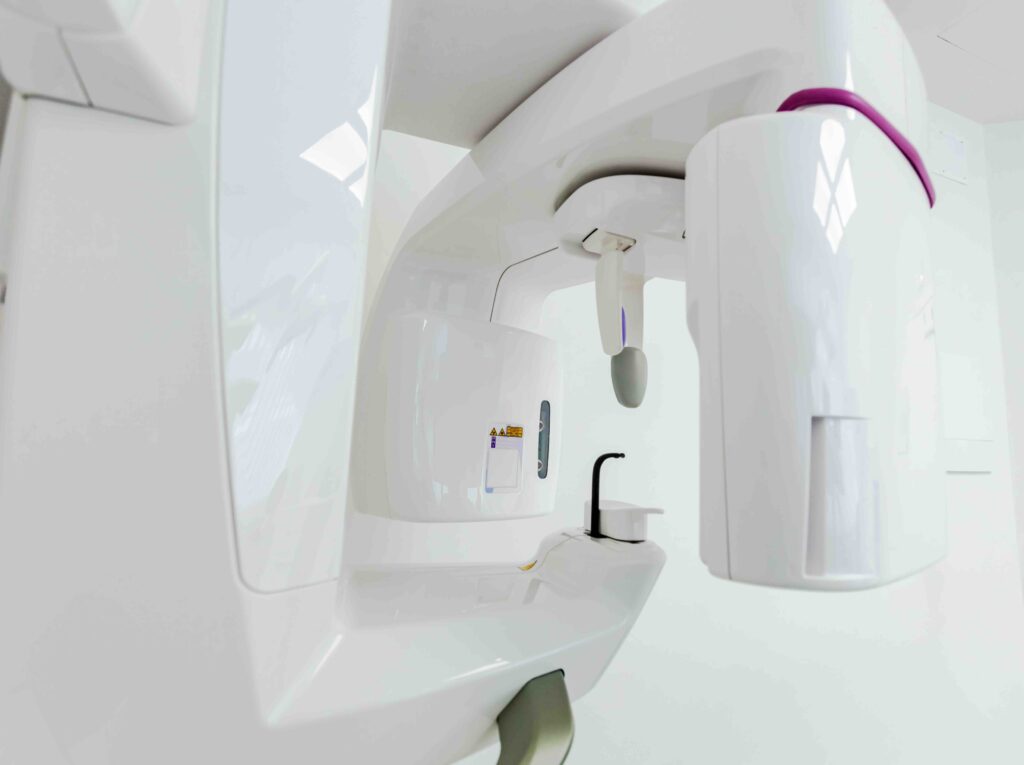
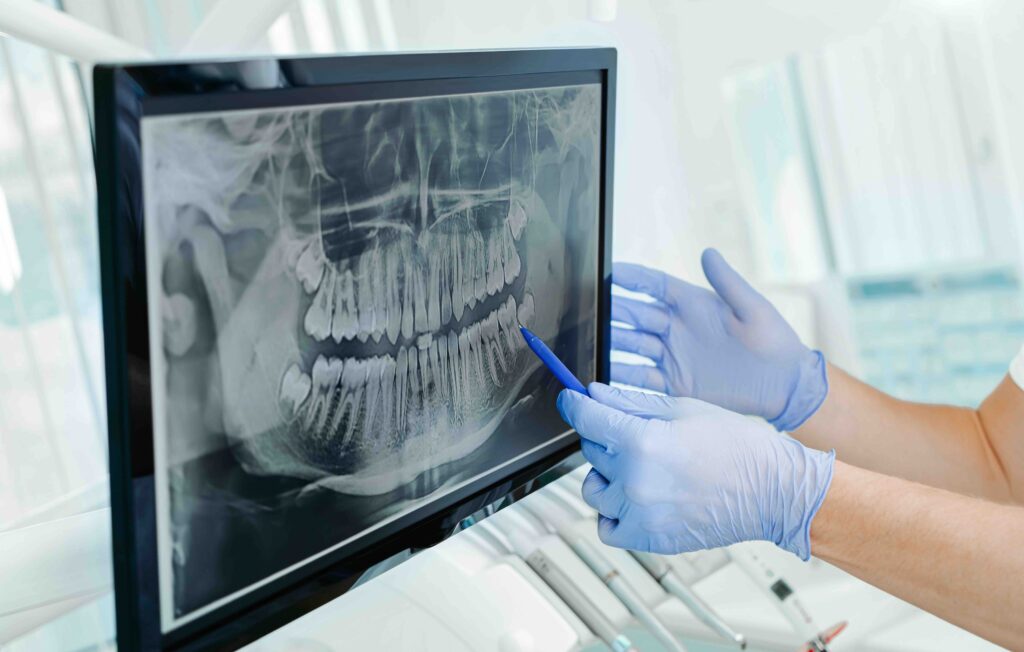
I have seen many patients assume that if their gums look healed, the site must be ready. Gum healing and bone readiness are not the same thing. The surface can look perfectly normal while the underlying ridge has already thinned. That mismatch is one reason imaging matters so much. A three-dimensional scan often reveals contours and limitations that cannot be judged accurately from a mirror or a standard two-dimensional X-ray alone.
Osseointegration is not magic, it is biology
One of the most important words in implant dentistry is osseointegration. It describes the direct structural and functional connection between living bone and the surface of the implant. In plain terms, the bone heals around the implant and stabilizes it. This is what allows the implant to act like an artificial root.
Osseointegration is dependable when conditions are favorable, but it is not automatic. It depends on careful planning, precise placement, good blood supply, appropriate healing time, and healthy host tissue. It also depends on controlling forces. An implant that is overloaded too early, especially in weak bone, is at greater risk of trouble.
This is where bone quality matters as much as bone quantity. Dense lower jawbone often provides excellent primary stability, which means the implant feels solid at placement. Softer upper jawbone may require a different approach, sometimes including longer healing, a wider implant design, or more cautious loading. The nuance matters. Implant dentistry is not a one-size-fits-all procedure, even if the advertisements sometimes make it sound that way.
The role of age, health, and medications
Many patients ask whether they are too old for Dental Implants. Chronological age by itself is rarely the main issue. I have seen healthy older adults heal beautifully, while younger patients with uncontrolled medical problems face greater risk. The more important question is whether the bone and overall health can support predictable healing.
Smoking remains one of the most common concerns. It affects blood flow, impairs healing, and increases the risk of complications. It does not always rule out treatment, but it changes the discussion. Heavy smokers, especially those with gum disease or poor oral hygiene, often have more bone loss to begin with and a narrower margin for error afterward.
Diabetes also matters, particularly if blood sugar control is poor. Well-managed diabetes does not automatically prevent implants, but uncontrolled diabetes can slow healing and raise infection risk. Osteoporosis is another common point of discussion. The condition itself does not always make implants impossible, yet it requires a careful look at bone density, fracture history, and medication use. Certain antiresorptive medications, especially in higher doses or intravenous forms, can complicate oral surgery decisions. That does not mean every patient on these medications is disqualified. It means the planning must be individualized and medically informed.
Even common habits such as nighttime grinding can affect the long-term relationship between bone and implant. Bruxism places heavy forces on restorations and supporting bone. In patients who clench or grind, occlusal design and nightguard use can make a significant difference.
Gum disease and bone health are inseparable
It is impossible to discuss implants honestly without discussing periodontal disease. Gum disease does not just affect gums. In its more advanced forms, it destroys the bone that supports teeth. Many adults who seek implants are doing so because periodontal disease already caused tooth loss. That history matters.
A patient with active gum disease is not an ideal implant candidate until the disease is brought under control. If plaque and inflammation are severe around natural teeth, those same patterns can threaten implant health later. Implants do not get cavities, but the tissues around them can still become inflamed. Peri-implant mucositis and peri-implantitis are real problems, and the latter involves bone loss around the implant.
This is one of the less glamorous truths about implant treatment. The surgery and crown matter, but maintenance matters just as much. Patients who have already lost bone from periodontal disease need close follow-up, regular cleanings, careful home care, and often a more structured recall schedule than someone with a low-risk mouth.
What happens when there is not enough bone
Insufficient bone does not always mean implants are off the table. It often means the treatment becomes more involved.
Sometimes the missing tooth site is simply too narrow. In that case, a bone graft may be used to widen the ridge. In other cases, there is enough width but not enough height. The classic example is the upper back jaw, where a sinus lift may be considered to create additional vertical bone beneath the sinus floor. There are also situations where the socket is grafted at the time of extraction to preserve the ridge before an implant is placed later.
These procedures are common, but patients should not hear the word common and assume trivial. Bone grafting adds healing time, cost, and variability. Most grafting procedures heal well in experienced hands, but they still depend on biology. The quality of the soft tissue closure, the type of graft material, the patient’s smoking status, and the absence of infection all influence the result.
In straightforward cases, a socket preservation graft placed immediately after extraction can help reduce the amount of ridge collapse. It does not freeze the bone in place forever, but it can preserve enough architecture to make later implant placement simpler and more esthetic. That is especially valuable in visible areas.
Timing can protect bone, or cost you bone
One of the most practical lessons in implant dentistry is that timing matters. Delaying treatment is sometimes necessary for financial, medical, or personal reasons, but delay often comes with a biological price. Bone loss tends to progress after extraction, especially during the first several months. Soft tissue contours can flatten. Adjacent teeth may drift. Opposing teeth may overerupt. What starts as a single missing tooth can turn into a more complicated restorative problem.
That does not mean every implant should be placed immediately. Immediate implants can work very well in the right patient and the right site, but they are technique-sensitive. If there is infection, inadequate bone, or unfavorable tissue architecture, immediate placement may not be the best choice. Sometimes the wiser route is extraction, site preservation, healing, and delayed placement under more controlled conditions.
The key is that treatment timing should follow anatomy and risk, not impatience. Patients understandably want to shorten the process. Good clinicians want efficiency too. Still, a rushed implant in a poor site is more expensive than a properly staged treatment done once.
Bone quality affects esthetics as well as function
Many people associate bone health with strength, but it also affects appearance. This is especially true in the front teeth. The bone supports the gum contours that frame the visible crown. If the facial bone is thin or lost, the gum line can recede or flatten, and the implant crown may look longer or less natural than the neighboring teeth.
This is one reason implant treatment in the anterior maxilla can be deceptively demanding. A molar implant in the back may succeed functionally even if the soft tissue result is merely acceptable. A single central incisor implant has to do much more. It has to function, disappear visually into the smile, and maintain symmetry with the opposite tooth. Tiny changes in bone or gum thickness become visible very quickly in that area.
Experienced surgeons and restorative dentists spend a great deal of time on site analysis for this reason. Cone beam imaging, photographs, bite assessment, and provisional design all help guide decisions. If the bone is thin, the clinician may recommend grafting not only for stability but for esthetic support. Patients are often grateful later that someone slowed the process down and planned carefully rather than simply placing a fixture wherever there happened to be enough bone to anchor it.
How clinicians evaluate bone before treatment
A proper implant workup is far more than measuring a gap where a tooth used to be. The clinician needs to understand the shape of the bone, its relation to nearby structures, and the demands of the final restoration.
A clinical exam provides information about gum thickness, ridge shape, mouth opening, bite forces, and hygiene status. Imaging, particularly cone beam CT in many cases, adds the three-dimensional map. It shows the height and width of available bone, the location of the inferior alveolar nerve in the lower jaw, the sinus anatomy in the upper jaw, and any hidden defects. It may also reveal old infections, retained roots, or anatomy that makes a standard implant size impractical.
Good planning works backward from the final tooth position. That sounds obvious, but it is a point worth emphasizing. The goal is not merely to fit an implant into existing bone. The goal is to place the implant where the final tooth should be, then determine whether the available bone supports that plan or needs augmentation. When implants are placed based only on where bone happens to be easiest, restorative compromises often follow.
Long-term bone stability depends on what happens after placement
Placing the implant is only one chapter. Bone health remains relevant long after the crown is delivered.
An implant needs stable surrounding tissues, manageable bite forces, and consistent hygiene. Bone loss around implants can happen slowly and with few early symptoms. Some patients assume that because an implant does not decay, it is lower maintenance than a natural tooth. In reality, an implant requires disciplined care. Plaque accumulation around an implant can trigger inflammation just as it does around teeth, and once bone loss begins, treatment becomes more difficult.
Follow-up visits matter because clinicians can identify subtle changes that patients do not feel. Slight bleeding, deepening pocket measurements, loosening of a screw-retained crown, or early radiographic bone changes may signal a developing issue. Catching those signs early can preserve bone that would otherwise be lost.
Bite forces also deserve respect. A beautifully integrated implant can still be stressed by poor occlusion or parafunctional habits. I have seen restorations fail not because the surgery was poor, but because the final loading pattern was too aggressive Dental Implants for the patient’s grinding habit and bone support. A nightguard may seem like an annoying accessory, but for some implant patients it is protective equipment.
Patients often ask the wrong first question
A common opening question is, “How much does an implant cost?” It is understandable, but it rarely gets to the heart of the matter. The more useful first question is, “What condition is the bone in, and what will it take to keep it healthy?”
Two patients can receive very different estimates for replacing the same tooth because their bone situations are different. One may need a straightforward implant and crown. Another may need extraction, grafting, a healing period, implant placement, and soft tissue shaping before the final restoration. The price difference reflects biology and complexity, not arbitrary variation.
This is also why bargain shopping for implants can be risky. If a treatment plan seems dramatically cheaper, it is worth asking what has been omitted. Was three-dimensional imaging used? Was bone grafting discussed if needed? Is the final restoration designed with the bite in mind? Is there a maintenance protocol after placement? The cheapest implant is not cheap if it fails and takes more bone with it.
Protecting bone before and after Dental Implants
Bone health is not completely under a patient’s control, but many of the major risk factors can be influenced. Daily plaque removal, periodontal treatment when needed, smoking reduction or cessation, and medical disease management all improve the environment in which implants heal.
It also helps to replace missing teeth before years of collapse occur. Patients who act sooner often preserve more options. A fresh extraction site with planned ridge preservation is a very different starting point than a site that has been edentulous for a decade.
Nutrition, while not a miracle lever, supports general healing. Adequate protein, reasonable glycemic control, and overall health maintenance create better conditions for tissue repair. During recovery, following instructions matters more than people sometimes realize. Disturbing the site, returning to smoking immediately, skipping follow-up, or wearing an ill-fitting temporary can all undermine healing that was otherwise progressing well.
When implants are not the best answer
A balanced discussion of bone health should acknowledge that Dental Implants are not always the right treatment. Severe systemic illness, uncontrolled periodontal disease, active smoking with poor compliance, untreated clenching, or major bone deficits can make the risk-benefit ratio unfavorable. In some cases, a bridge or a removable prosthesis is the better choice, either temporarily or long term.
There are also situations where an implant is technically possible but not ideal from an esthetic or biological standpoint. For example, a high-smile-line patient with significant anterior ridge loss may require extensive grafting and still face soft tissue limitations. That does not mean treatment cannot be done. It means the patient deserves a realistic picture rather than a sales pitch.
Good implant care starts with honest case selection. Sometimes the best clinical judgment is restraint.
The real reason bone health matters
Bone health matters because it determines what is possible, how predictable it will be, what it will cost in time and money, and how the result will look and function years later. It influences whether treatment is simple or staged, whether the gum line looks natural or artificial, whether the implant remains stable or begins to lose support.
Patients tend to remember the visible crown. Clinicians tend to remember the bone because they know that the crown is only as good as the foundation underneath it.
When implant treatment goes well, it can feel seamless. The patient eats comfortably, smiles freely, and stops thinking about the missing tooth. That ease is the final product of careful diagnosis, good surgical and restorative judgment, and a healthy relationship between implant and bone. Beneath every successful implant case is a biological truth that never changes: the jawbone is not just a backdrop. It is the structure that makes the entire treatment possible.
Oaks Dental
5000 Parkway Calabasas Suite 308
Calabasas, CA 91302, United States
+1 818-431-2000
FAQ About Dental Implants
What is the downside of a dental implant?
Implants require surgery and a healing period that can last several months. Possible complications include infection, nerve or sinus injury, damage to nearby teeth and failure to bond with bone. Your dentist should assess your health, bone support and alternatives before recommending treatment.
What do dental implants typically cost?
There is no single price for every implant case. The number of teeth replaced, implant components, final restoration and any grafting or extractions affect the total. Request a written estimate covering every stage and confirm insurance benefits and out-of-pocket costs with the practice.
How long do tooth implants last?
An implant can provide long-term support and may last a lifetime with good oral hygiene and regular dental care, but this is not guaranteed. The crown or other restoration may need replacement sooner. Smoking, gum disease and some health conditions can reduce implant success.
Ends · CONNERUFEV645